Reaction Time Test – Test Your Reflexes Online
Test your reaction time with our free online reaction time test. Wait for the lights to turn on, then react as quickly as possible. Measure your reaction speed in milliseconds and see how fast your reflexes really are.
Test Your Reaction Time with the Start Lights Test
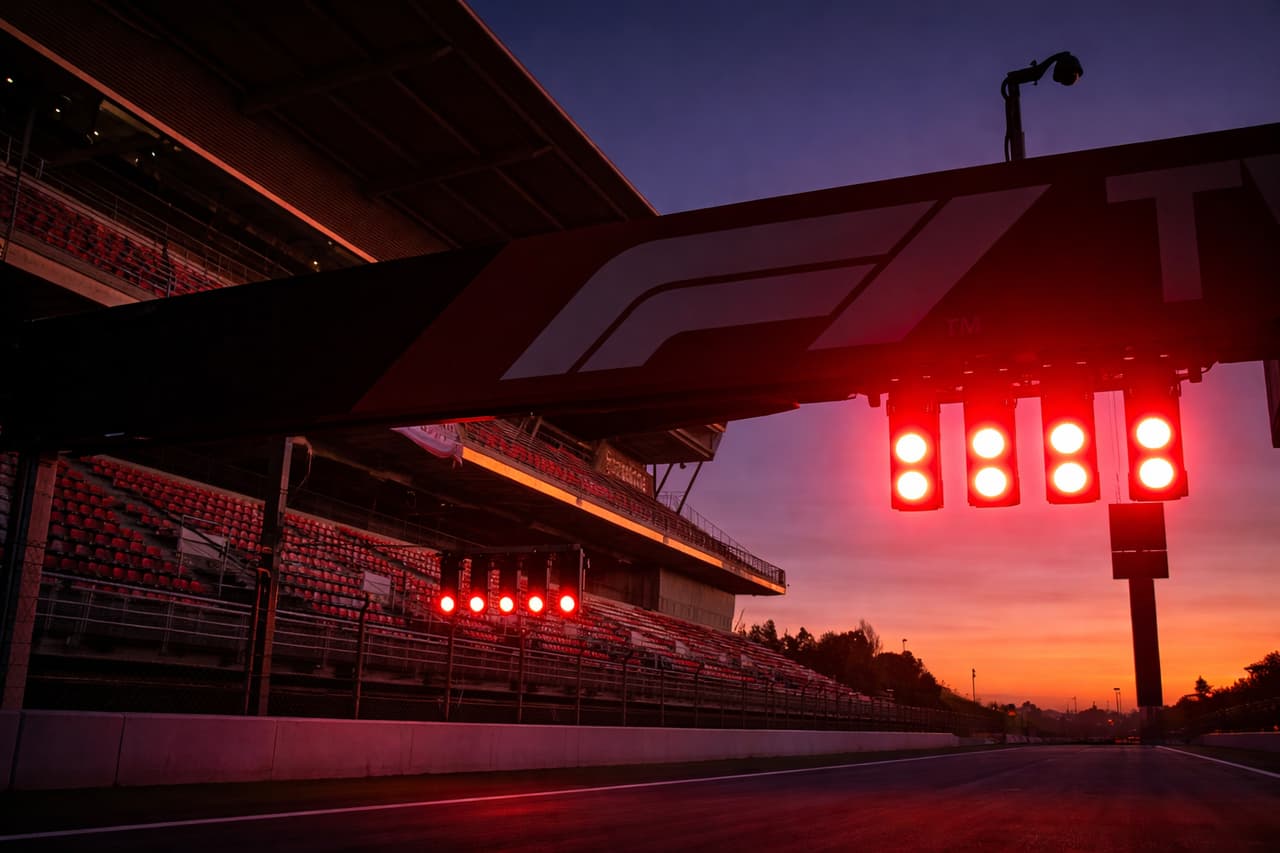
Reaction Light Tower
Three red lights drop one by one. The instant they switch to green — react.
Open the full Start Lights test — scoring tiers, stats and tips
How Does This Reaction Time Test Work?
- 1
Wait for the lights to turn on
Start the test and watch the tower. The red lights come on row by row, then hold for an unpredictable moment — so you cannot guess the signal.
- 2
React as quickly as possible
The instant the lights switch to green, click or tap. Reacting before the signal is caught as a false start rather than counted as a fast time.
- 3
Get your reaction time in milliseconds
Your result appears immediately. Repeat a few times to build a reliable average — a single attempt is noise, and your times include your screen and input lag.
Reaction Time Tests by Activity
Which Test Should You Start With?
Every test here runs free in your browser and takes between one and fifteen minutes, so the right starting point depends on what you want to know about yourself.
- Want a quick thrill? The Start Lights Reaction Test takes under a minute: red lights cascade, hold, then go green — and your launch time is on the clock.
- Want a proper baseline? The average reaction time test measures your average over several attempts and compares it to published adult benchmarks.
- Curious about self-control? The Go/No-Go Test adds a twist: reacting fast is only half the job — you also have to hold back on the wrong signal.
- Checking in on your senses? The visual acuity, color vision and hearing frequency screenings give you a quick, educational read — not a diagnosis — in a few minutes each.
Why Test Your Reaction Time?
Understanding your reaction time can help you improve your performance in various activities. Whether you're a gamer, an athlete, or just someone looking to sharpen your reflexes, knowing your reaction speed is key to tracking improvements and pushing your limits.
Benefits of Taking a Reaction Time Test
Gaming Skills
Improve your reaction time to boost your performance in fast-paced games. Competitive gamers need lightning-fast reflexes to dominate — see how you stack up on our gaming reaction test for FPS, MOBA, and racing games.
Athletic Performance
Track your reaction speed to optimize your performance in sports. Athletes in tennis, boxing, and track events rely on quick reflexes — our sports reaction test shows where you stand.
Driving Safety
Enhance your reflexes to react more quickly in unexpected driving situations. Faster reaction times help prevent accidents and save lives on the road.
Cognitive Health
Reaction time testing can provide insights into your cognitive function and mental agility. Pair it with the Go/No-Go impulse control test to monitor brain health and mental sharpness.
Ready to Test Your Reaction Speed?
Take our Reaction Time Test and see how your reflexes measure up against top performers!
Take the Reaction Time TestHow Our Tests Differ
The tests look similar on the surface — a signal appears, you respond — but they measure different things:
- Simple reaction — one signal, one response. The visual, auditory and start lights tests time the raw perception-to-movement loop.
- Choice and inhibition — some signals must be answered, others ignored. The Go/No-Go Test measures how well your brain vetoes an action it has already primed.
- Anticipation — nothing to react to, everything to predict. The Anticipation Test scores how precisely you time a moving target's arrival.
- Capacity — no clock pressure at all. The Working Memory Test stretches how many digits you can hold and recall.
Whichever you pick, your time always includes your hardware — display and input latency can add 20–50 ms — so trends on the same device matter more than one-off numbers. For the published adult averages we benchmark against, see the cited reaction-time benchmarks on the main test page.
More Reaction Time Tests
Other ways to measure how fast you react — to light, to sound, and when you have to hold back.
Reaction Time Test
Measure your visual reaction speed in milliseconds
Start Lights Reaction Test
React the instant the five red lights go out
Go/No-Go Reaction Test
Measure your cognitive inhibition and impulse control
Anticipation Test
Test your timing and prediction skills
Auditory Reaction Test
Measure your response to sound stimuli
Explore More Cognitive Tests
Memory, attention, vision and hearing screenings — free, instant, and private to your browser.
ADHD Screening Test
100-question attention and focus self-assessment
Visual Acuity Test
Check your eyesight and visual clarity
Hearing Frequency Test
Test your auditory range and sensitivity
Color Blindness Test
Detect color vision deficiencies
Working Memory Test
Evaluate your short-term memory capacity